
Bob Popovic's Bulkhead Deceiver Fly Tying Video Material Kit
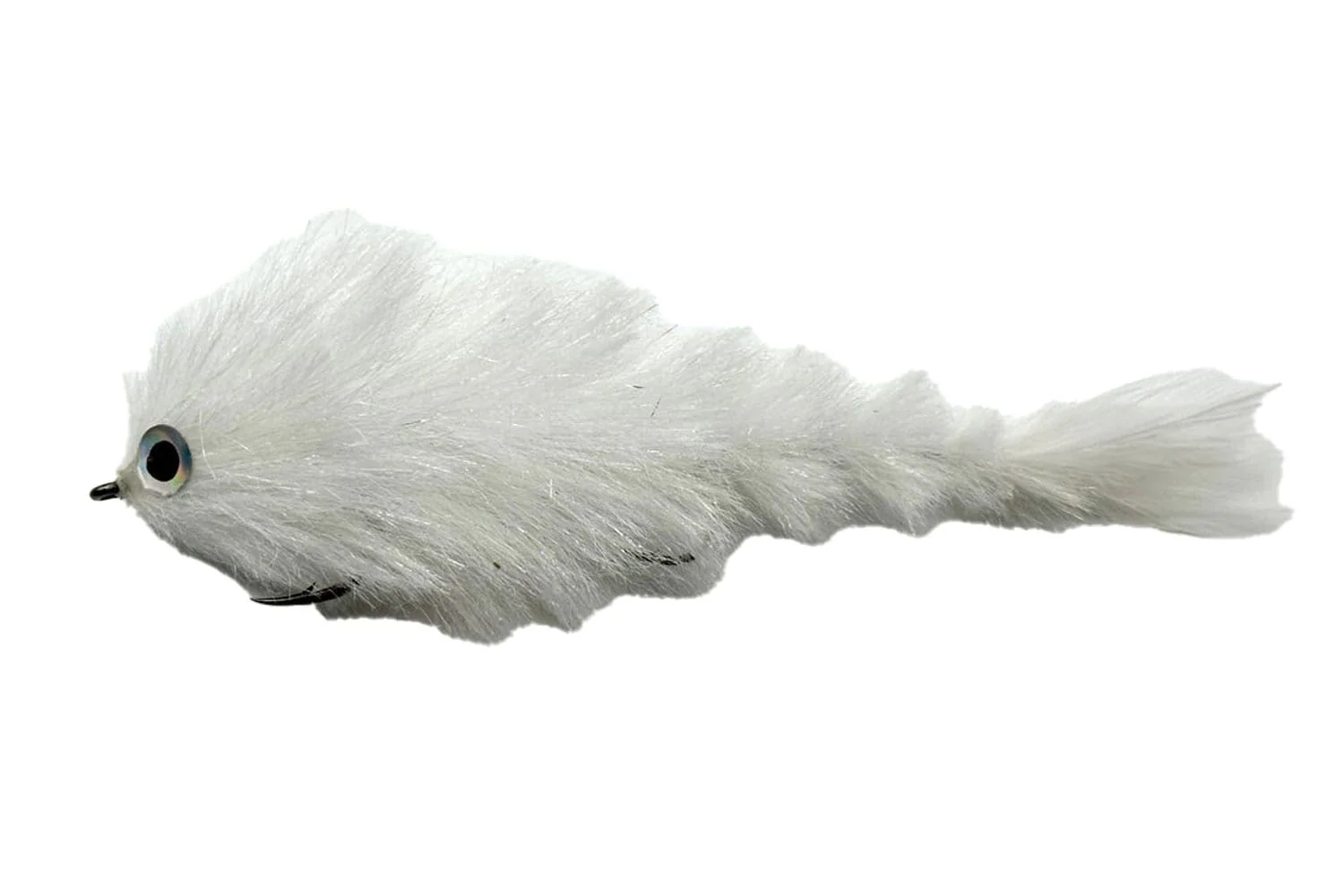
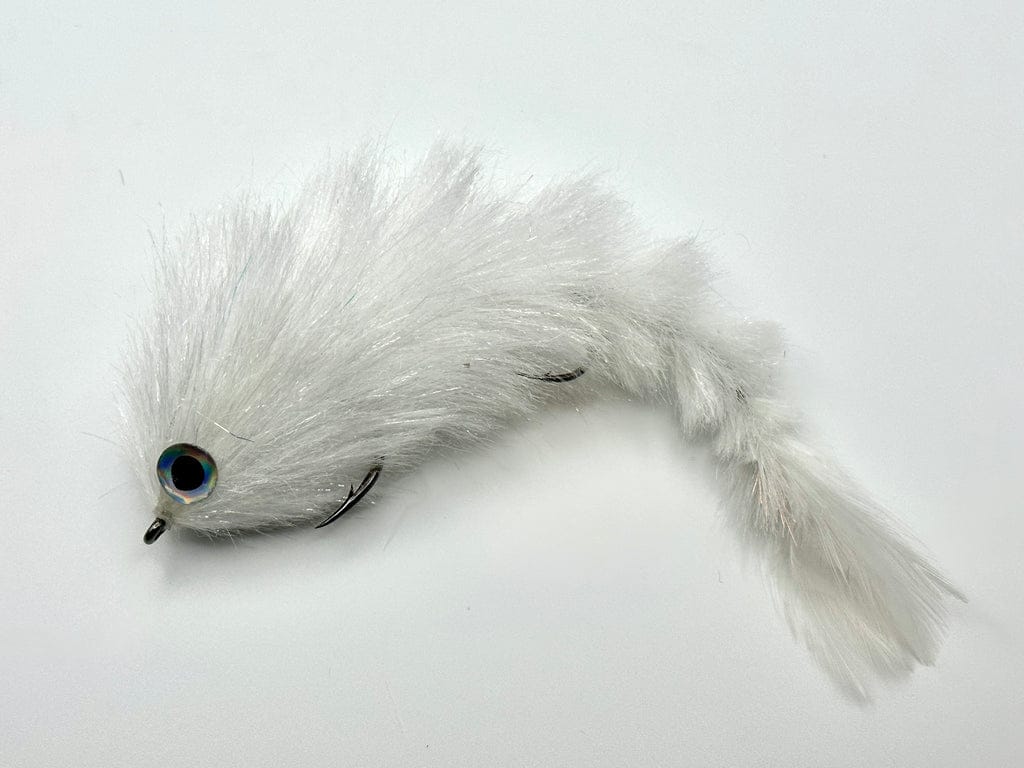
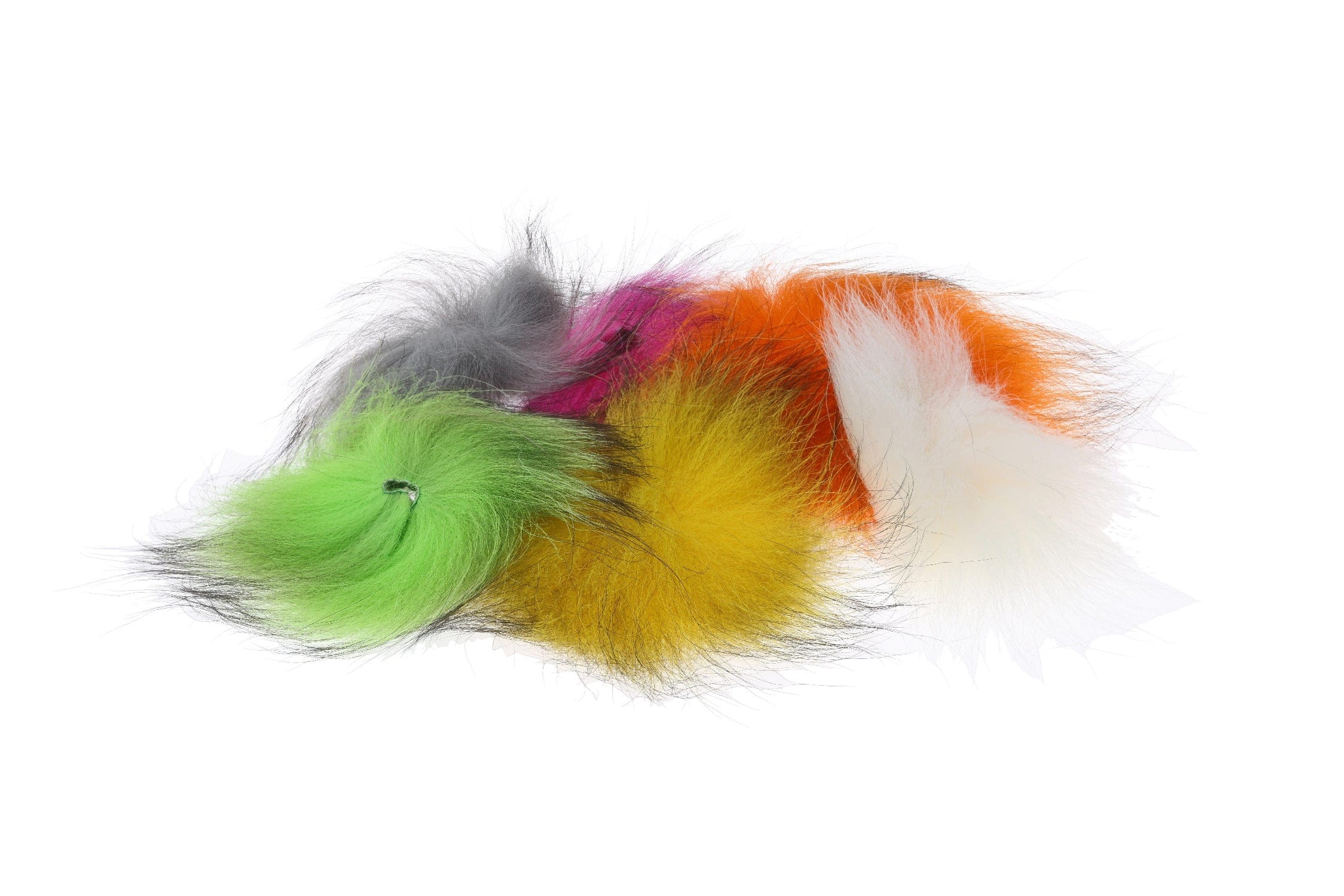
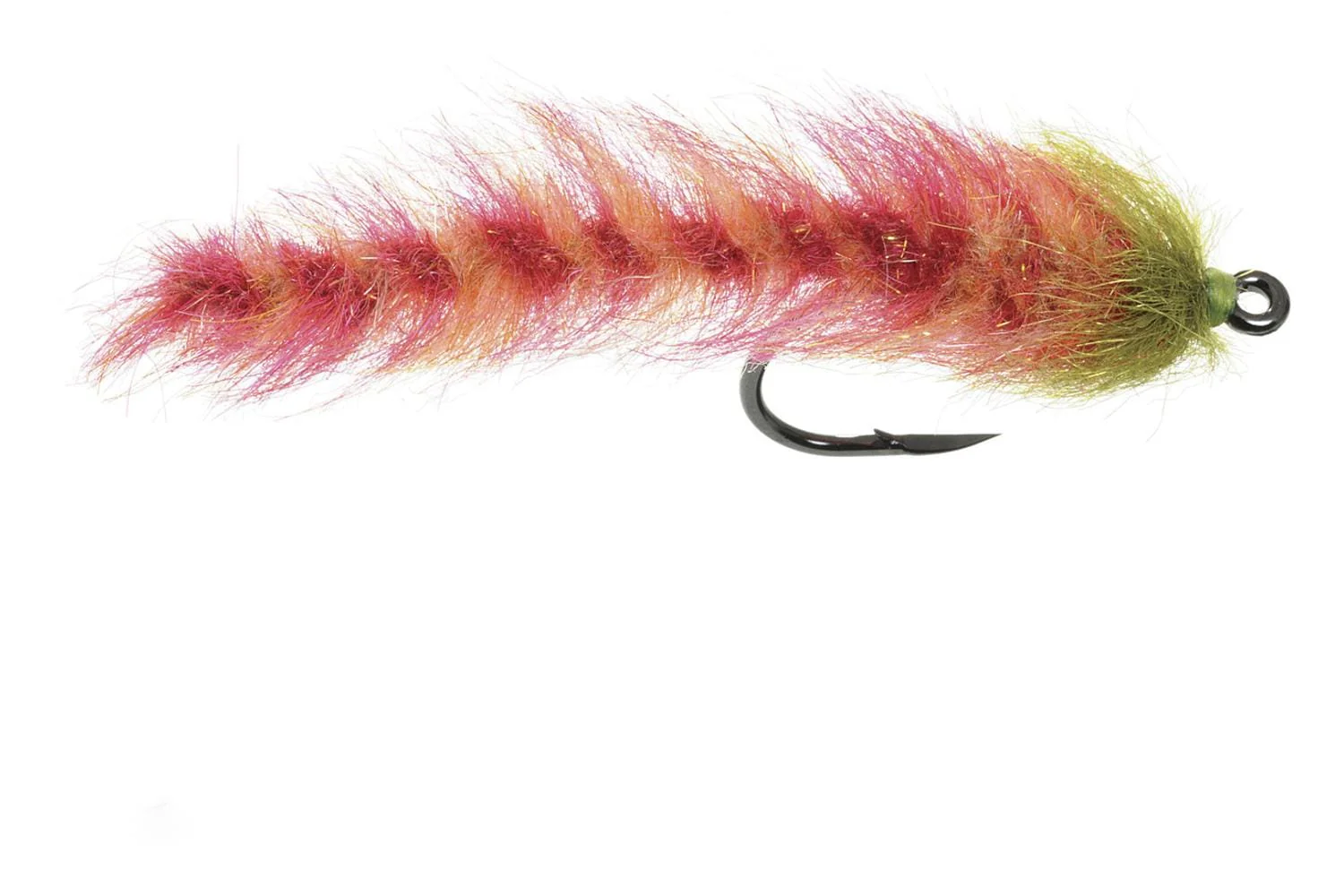
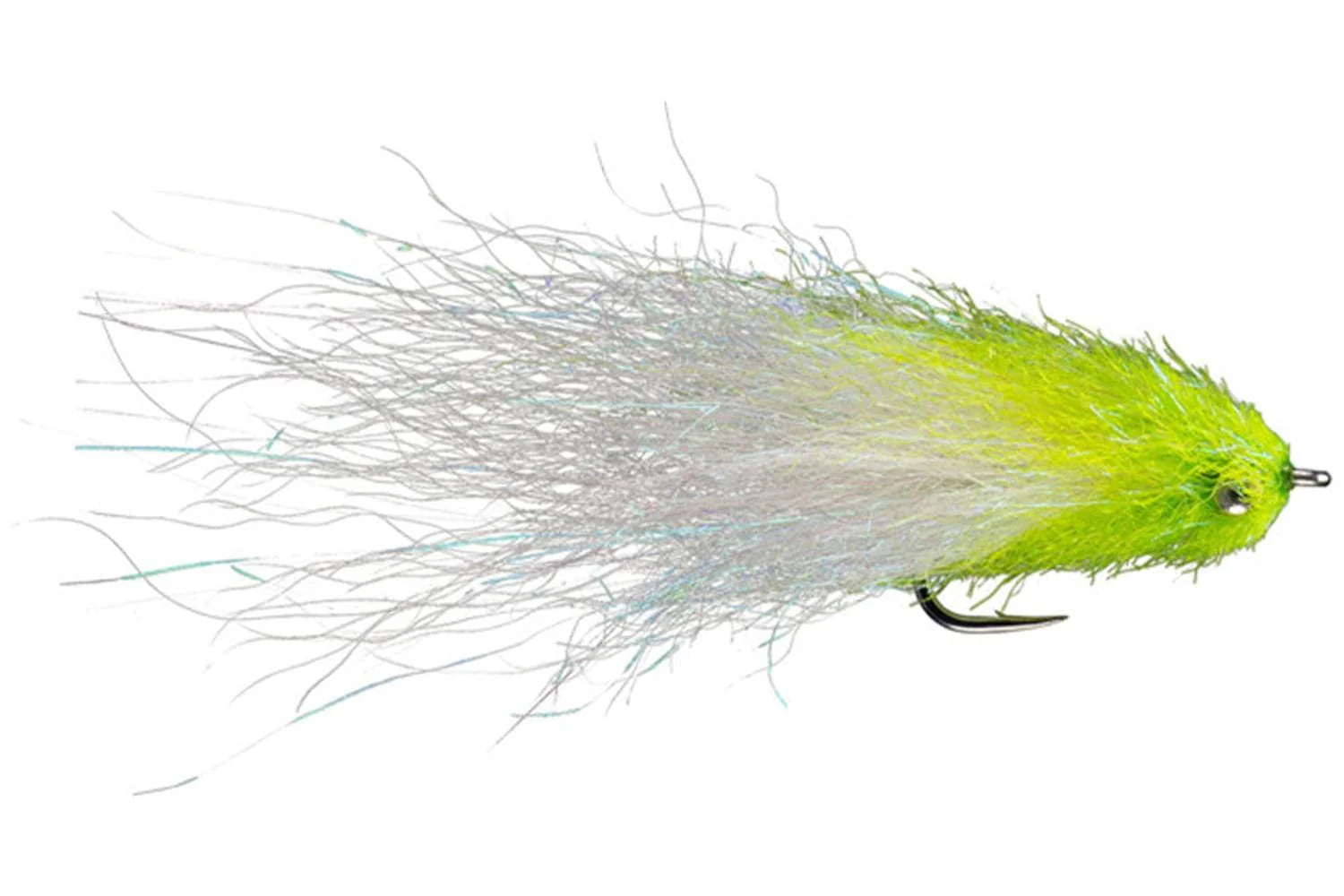
Bob Popovic's Bulkhead Deceiver is one of those patterns that makes you wonder why nobody thought of it sooner. Take Lefty Kreh's legendary Deceiver silhouette, add Popovic's signature bulkhead bucktail construction to push water and create a wider profile, and you get a baitfish imitation that's earned a permanent spot in the saltwater rotation. This fly tying video material kit gives you everything you need to tie the pattern alongside Popovic's own instruction, which is about as close to a masterclass as you'll get without booking a seat at his bench. If you chase stripers, false albacore, bluefish, or any predator that eats baitfish, this kit is a smart way to learn from one of the best fly designers alive.
What It Imitates
The Bulkhead Deceiver imitates a broad range of baitfish, from bunker and herring to silversides and juvenile shad. The bulkhead design adds a blunt, rounded head profile that traditional Deceivers lack, giving the fly a more realistic shape and a subtle water-pushing action that triggers strikes in off-color water. It's a profile game, and Popovic nailed it.
How To Use It
Fish the Bulkhead Deceiver on a strip retrieve, varying your cadence until the fish tell you what they want. Long, steady strips work well when fish are chasing bait aggressively, while short, erratic strips with pauses shine when predators are keyed on stunned or wounded baitfish. A slow-sinking or intermediate line keeps the fly in the strike zone longer on flats and in the surf.
This is a go-to pattern when you're working structure like jetties, bridge pilings, or rip lines where baitfish get pinned and predators stack up. It also excels when blind-casting beaches at first light or swinging through current seams where stripers like to ambush.
When To Use It
The Bulkhead Deceiver shines during spring and fall baitfish migrations when predators are gorging on bunker, herring, and other forage moving through coastal waters. Low-light conditions at dawn, dusk, and on overcast days are prime time, since the bulkhead's water displacement helps fish find the fly even when visibility drops. In stained or churned-up water, this pattern outperforms slimmer ties because it gives fish something to home in on beyond just visuals.
Why We Like It
This kit pairs high-quality materials with video instruction from Popovic himself, and that combination is hard to beat. You're not just buying materials; you're learning the specific techniques behind one of the most well-engineered Deceiver variations out there. Popovic's bulkhead bucktail work is notoriously tricky to replicate from photos alone, so having his step-by-step guidance means your flies actually end up looking (and fishing) the way they should. For tyers looking to level up their saltwater game, this is one of the best investments you can make at the vise.
Comparisons
Bob Popovic's Bulkhead Deceiver Kit vs Lefty's Classic Deceiver:
The classic Deceiver relies on saddle hackle and bucktail to create a slim, castable baitfish profile. It's a proven fish catcher and easier to tie. The Bulkhead Deceiver adds bucktail construction and that signature wide head, which pushes more water and creates a fuller silhouette. If you fish clean water with picky fish, the classic Deceiver's slimmer profile might get more eats. But when you need to move water and get noticed, the Bulkhead wins.
Bob Popovic's Bulkhead Deceiver Kit vs Enrico Puglisi Peanut Butter Fly:
Both patterns use modern construction techniques to build realistic baitfish profiles, but they solve different problems. The Peanut Butter is a compact pattern built to imitate smaller forage like peanut bunker and bay anchovies. The Bulkhead Deceiver can be tied in a wider range of sizes and has a more traditional Deceiver length, making it more versatile when baitfish sizes vary throughout the season. If you're matching one specific small bait, grab the Peanut Butter. If you want one pattern that adapts, the Bulkhead Deceiver kit is the better call.
Bob Popovic's Bulkhead Deceiver Kit vs Hollow Fleye by Bob Popovic:
This is really a question of which Popovic pattern you want to master first. The Hollow Fleye is arguably the ultimate big-baitfish imitation, with a fully hollow body that breathes and collapses beautifully in the water. It's also a more advanced tie. The Bulkhead Deceiver is a bit more approachable at the vise while still delivering Popovic's design philosophy. Start here, get comfortable with his bucktail techniques, and then graduate to the Hollow Fleye when you're ready for the next challenge.
Original: $54.49
-65%$54.49
$19.07Product Information
Product Information
Shipping & Returns
Shipping & Returns
Description
Bob Popovic's Bulkhead Deceiver is one of those patterns that makes you wonder why nobody thought of it sooner. Take Lefty Kreh's legendary Deceiver silhouette, add Popovic's signature bulkhead bucktail construction to push water and create a wider profile, and you get a baitfish imitation that's earned a permanent spot in the saltwater rotation. This fly tying video material kit gives you everything you need to tie the pattern alongside Popovic's own instruction, which is about as close to a masterclass as you'll get without booking a seat at his bench. If you chase stripers, false albacore, bluefish, or any predator that eats baitfish, this kit is a smart way to learn from one of the best fly designers alive.
What It Imitates
The Bulkhead Deceiver imitates a broad range of baitfish, from bunker and herring to silversides and juvenile shad. The bulkhead design adds a blunt, rounded head profile that traditional Deceivers lack, giving the fly a more realistic shape and a subtle water-pushing action that triggers strikes in off-color water. It's a profile game, and Popovic nailed it.
How To Use It
Fish the Bulkhead Deceiver on a strip retrieve, varying your cadence until the fish tell you what they want. Long, steady strips work well when fish are chasing bait aggressively, while short, erratic strips with pauses shine when predators are keyed on stunned or wounded baitfish. A slow-sinking or intermediate line keeps the fly in the strike zone longer on flats and in the surf.
This is a go-to pattern when you're working structure like jetties, bridge pilings, or rip lines where baitfish get pinned and predators stack up. It also excels when blind-casting beaches at first light or swinging through current seams where stripers like to ambush.
When To Use It
The Bulkhead Deceiver shines during spring and fall baitfish migrations when predators are gorging on bunker, herring, and other forage moving through coastal waters. Low-light conditions at dawn, dusk, and on overcast days are prime time, since the bulkhead's water displacement helps fish find the fly even when visibility drops. In stained or churned-up water, this pattern outperforms slimmer ties because it gives fish something to home in on beyond just visuals.
Why We Like It
This kit pairs high-quality materials with video instruction from Popovic himself, and that combination is hard to beat. You're not just buying materials; you're learning the specific techniques behind one of the most well-engineered Deceiver variations out there. Popovic's bulkhead bucktail work is notoriously tricky to replicate from photos alone, so having his step-by-step guidance means your flies actually end up looking (and fishing) the way they should. For tyers looking to level up their saltwater game, this is one of the best investments you can make at the vise.
Comparisons
Bob Popovic's Bulkhead Deceiver Kit vs Lefty's Classic Deceiver:
The classic Deceiver relies on saddle hackle and bucktail to create a slim, castable baitfish profile. It's a proven fish catcher and easier to tie. The Bulkhead Deceiver adds bucktail construction and that signature wide head, which pushes more water and creates a fuller silhouette. If you fish clean water with picky fish, the classic Deceiver's slimmer profile might get more eats. But when you need to move water and get noticed, the Bulkhead wins.
Bob Popovic's Bulkhead Deceiver Kit vs Enrico Puglisi Peanut Butter Fly:
Both patterns use modern construction techniques to build realistic baitfish profiles, but they solve different problems. The Peanut Butter is a compact pattern built to imitate smaller forage like peanut bunker and bay anchovies. The Bulkhead Deceiver can be tied in a wider range of sizes and has a more traditional Deceiver length, making it more versatile when baitfish sizes vary throughout the season. If you're matching one specific small bait, grab the Peanut Butter. If you want one pattern that adapts, the Bulkhead Deceiver kit is the better call.
Bob Popovic's Bulkhead Deceiver Kit vs Hollow Fleye by Bob Popovic:
This is really a question of which Popovic pattern you want to master first. The Hollow Fleye is arguably the ultimate big-baitfish imitation, with a fully hollow body that breathes and collapses beautifully in the water. It's also a more advanced tie. The Bulkhead Deceiver is a bit more approachable at the vise while still delivering Popovic's design philosophy. Start here, get comfortable with his bucktail techniques, and then graduate to the Hollow Fleye when you're ready for the next challenge.