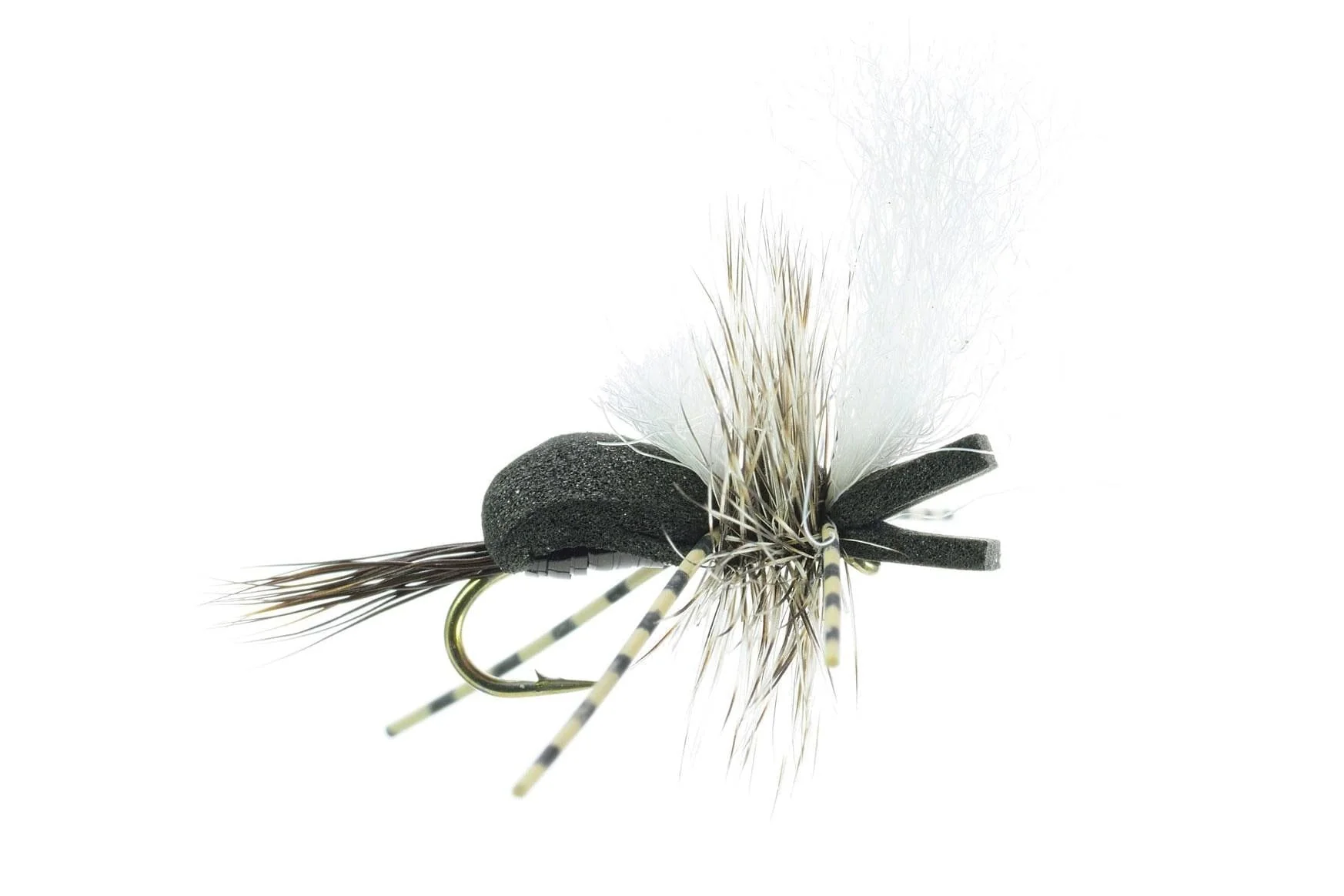

Parachute Sulphur Dry Fly
The Parachute Sulphur is one of those patterns that earns its spot in your dry fly box every single spring and summer. Built to match the Sulphur mayfly hatch - one of the most prolific and reliable emergences on eastern freestone and limestone streams alike - this fly fools trout that have seen just about everything. If you fish anywhere from Pennsylvania to the Catskills between late April and July, you need a row of these in sizes 14 through 18.
What It Imitates
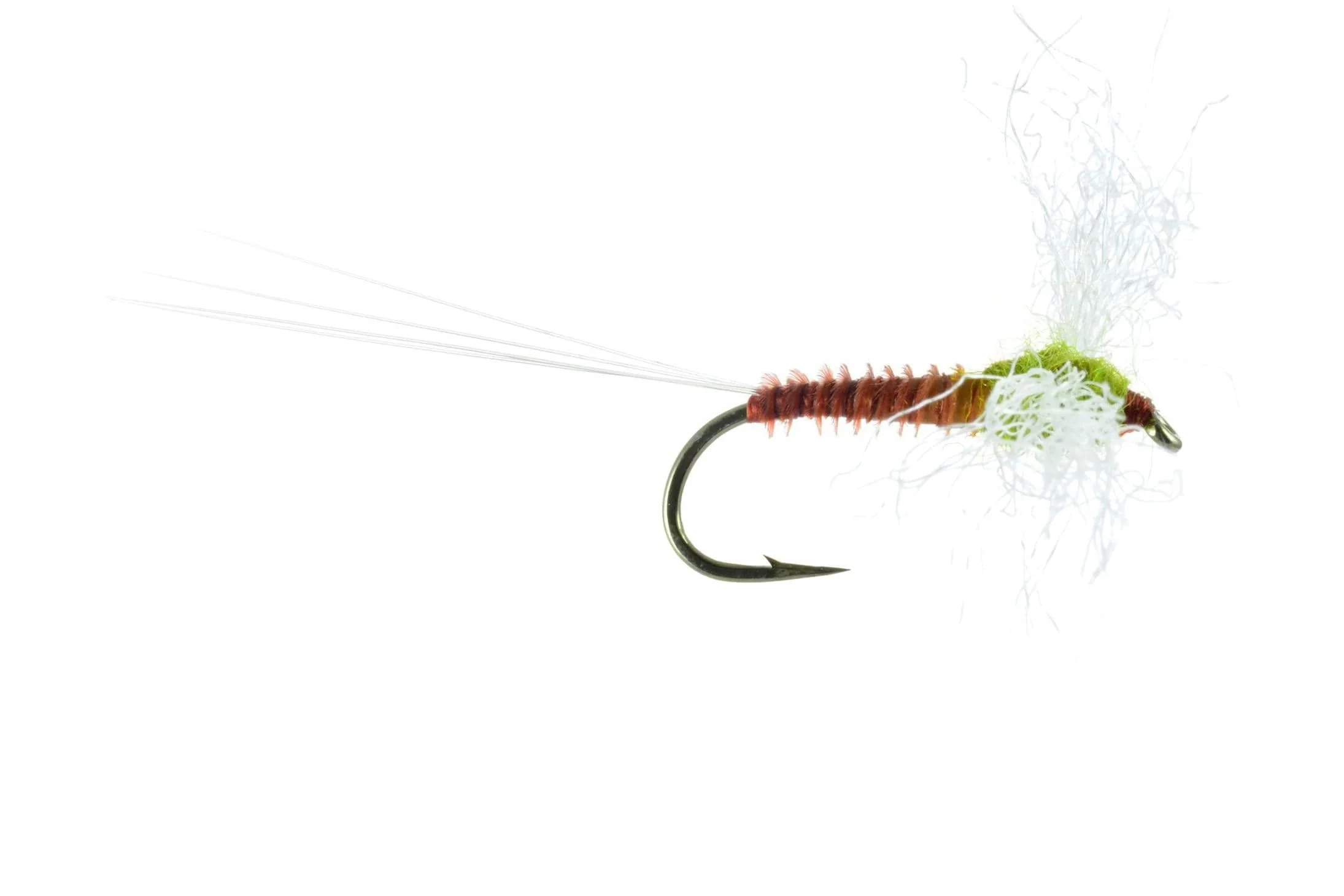
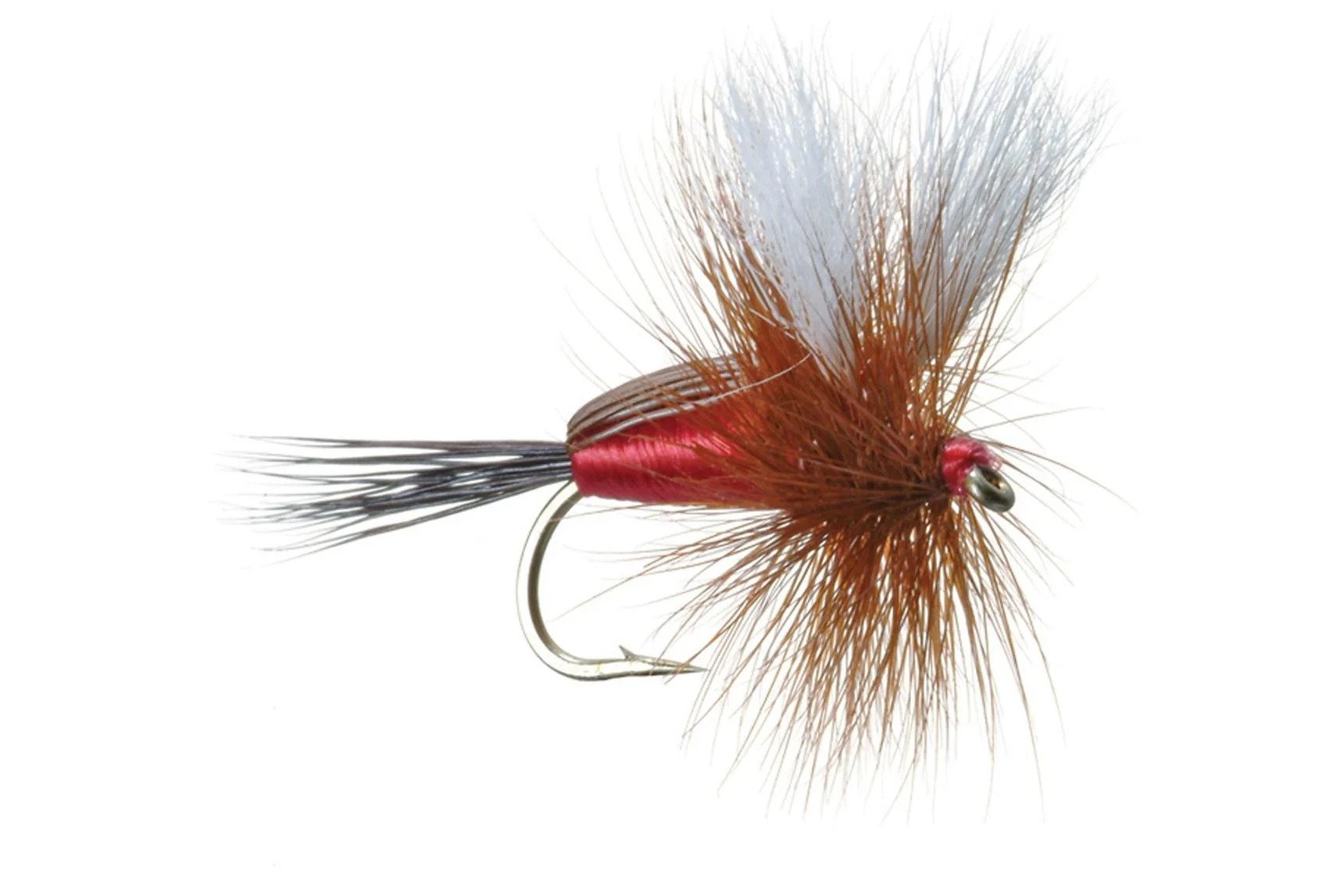
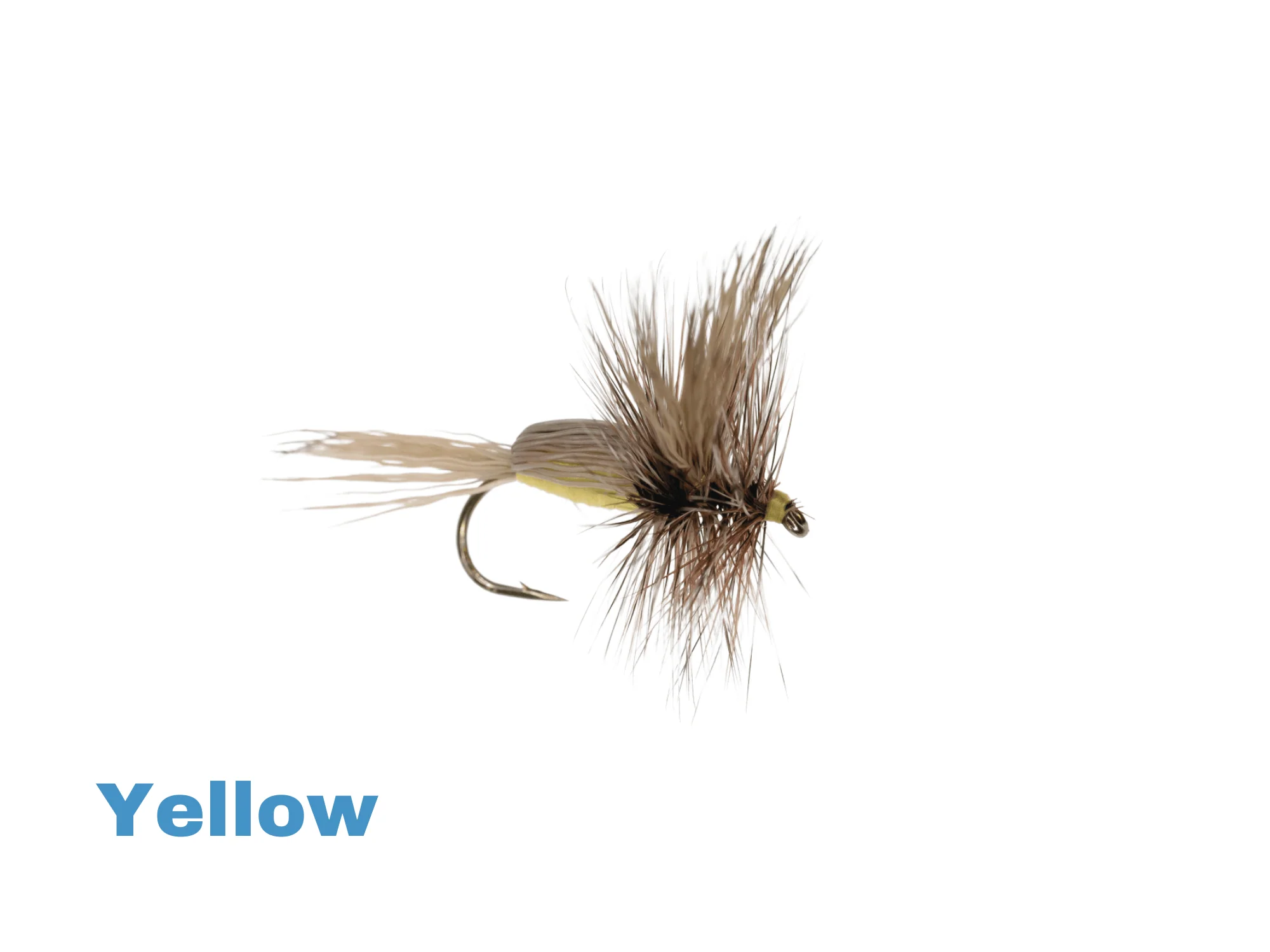
This pattern is a direct imitation of the Sulphur dun, covering at least two key species: Ephemerella invaria (the larger, earlier emerger) and Ephemerella dorothea (smaller, showing up a bit later in the season). The pale yellow body, dun tail, and dun hackle mirror the naturals with precision. The parachute-style hackle wrap lets the fly sit flush in the surface film, giving trout the low-riding silhouette they expect from a freshly emerged dun.
How To Use It
Dead-drift this fly drag-free through feeding lanes. That means upstream or up-and-across casts with deliberate mends to keep your leader from pulling the fly off its natural path. Trout keying on Sulphurs can be absurdly selective, and even a hint of drag will get you refused.
Work the soft seams and tailouts where duns collect and trout set up predictable feeding rhythms. This fly is a standout on flat, technical water like Spring Creek or the slower pools of the Upper Delaware, where fish have time to inspect every drift. In faster riffles, the parachute post doubles as a strike indicator you can actually track.
When To Use It
Sulphur hatches typically fire from late April into July, with peak activity in May and June on most eastern waters. The heaviest emergences happen in the evening, often in the last hour or two of daylight, though overcast afternoons can push duns onto the water earlier. Carry sizes 14 and 16 for the early-season invaria hatches, and drop to 16 and 18 as dorothea takes over later in the season. Matching size matters more than anything else with Sulphurs, so stock all three.
Why We Like It
The parachute design is the key advantage here. That horizontal hackle wrap keeps the body down in the film where trout want to see it, while the white calf-hair post stays visible to the angler even in low light. Tied by Umpqua Feather Merchants, these are consistent and durable enough to survive multiple fish without falling apart. It is the workhorse Sulphur pattern we reach for first, not the flashiest tie in the box, but the one that gets eaten.
Comparisons
Parachute Sulphur Dry Fly vs Sulphur Comparadun:
The Comparadun uses a fanned deer hair wing instead of a parachute hackle, which pushes the body deeper into the film for an even lower profile. That makes it deadly on ultra-slick water where fish are sipping. The trade-off is visibility. The Comparadun is harder to track in fading light, which is exactly when Sulphurs hatch heaviest. The Parachute Sulphur gives you nearly the same in-film presentation with a white post you can actually see. If you fish a lot of evening hatches, the Parachute is the smarter pick.
Parachute Sulphur Dry Fly vs Sulphur Sparkle Dun:
The Sparkle Dun adds a trailing shuck of Antron or Z-Lon to imitate a mayfly still shedding its nymphal skin. During the early phase of a hatch when bugs are struggling on the surface, that trailing shuck can be the difference between refusals and eats. The Parachute Sulphur better represents a fully upright dun, which is what trout focus on once the hatch is in full swing. Carry both. Fish the Sparkle Dun early, switch to the Parachute once you see clean duns floating by.
Parachute Sulphur Dry Fly vs Sulphur Thorax Dun:
A Thorax Dun wraps hackle in a V around the thorax and trims the bottom flat, producing a realistic stance on the water. It is a beautiful tie, but it sits slightly higher than the parachute version and can be trickier to see at distance. The Parachute Sulphur is easier to track, easier to fish confidently, and just as convincing to trout in most situations. Unless you are specifically dealing with ultra-picky fish on glass-calm spring creeks, the Parachute covers more water and more scenarios.
Original: $2.99
-65%$2.99
$1.05Product Information
Product Information
Shipping & Returns
Shipping & Returns
Description
The Parachute Sulphur is one of those patterns that earns its spot in your dry fly box every single spring and summer. Built to match the Sulphur mayfly hatch - one of the most prolific and reliable emergences on eastern freestone and limestone streams alike - this fly fools trout that have seen just about everything. If you fish anywhere from Pennsylvania to the Catskills between late April and July, you need a row of these in sizes 14 through 18.
What It Imitates
This pattern is a direct imitation of the Sulphur dun, covering at least two key species: Ephemerella invaria (the larger, earlier emerger) and Ephemerella dorothea (smaller, showing up a bit later in the season). The pale yellow body, dun tail, and dun hackle mirror the naturals with precision. The parachute-style hackle wrap lets the fly sit flush in the surface film, giving trout the low-riding silhouette they expect from a freshly emerged dun.
How To Use It
Dead-drift this fly drag-free through feeding lanes. That means upstream or up-and-across casts with deliberate mends to keep your leader from pulling the fly off its natural path. Trout keying on Sulphurs can be absurdly selective, and even a hint of drag will get you refused.
Work the soft seams and tailouts where duns collect and trout set up predictable feeding rhythms. This fly is a standout on flat, technical water like Spring Creek or the slower pools of the Upper Delaware, where fish have time to inspect every drift. In faster riffles, the parachute post doubles as a strike indicator you can actually track.
When To Use It
Sulphur hatches typically fire from late April into July, with peak activity in May and June on most eastern waters. The heaviest emergences happen in the evening, often in the last hour or two of daylight, though overcast afternoons can push duns onto the water earlier. Carry sizes 14 and 16 for the early-season invaria hatches, and drop to 16 and 18 as dorothea takes over later in the season. Matching size matters more than anything else with Sulphurs, so stock all three.
Why We Like It
The parachute design is the key advantage here. That horizontal hackle wrap keeps the body down in the film where trout want to see it, while the white calf-hair post stays visible to the angler even in low light. Tied by Umpqua Feather Merchants, these are consistent and durable enough to survive multiple fish without falling apart. It is the workhorse Sulphur pattern we reach for first, not the flashiest tie in the box, but the one that gets eaten.
Comparisons
Parachute Sulphur Dry Fly vs Sulphur Comparadun:
The Comparadun uses a fanned deer hair wing instead of a parachute hackle, which pushes the body deeper into the film for an even lower profile. That makes it deadly on ultra-slick water where fish are sipping. The trade-off is visibility. The Comparadun is harder to track in fading light, which is exactly when Sulphurs hatch heaviest. The Parachute Sulphur gives you nearly the same in-film presentation with a white post you can actually see. If you fish a lot of evening hatches, the Parachute is the smarter pick.
Parachute Sulphur Dry Fly vs Sulphur Sparkle Dun:
The Sparkle Dun adds a trailing shuck of Antron or Z-Lon to imitate a mayfly still shedding its nymphal skin. During the early phase of a hatch when bugs are struggling on the surface, that trailing shuck can be the difference between refusals and eats. The Parachute Sulphur better represents a fully upright dun, which is what trout focus on once the hatch is in full swing. Carry both. Fish the Sparkle Dun early, switch to the Parachute once you see clean duns floating by.
Parachute Sulphur Dry Fly vs Sulphur Thorax Dun:
A Thorax Dun wraps hackle in a V around the thorax and trims the bottom flat, producing a realistic stance on the water. It is a beautiful tie, but it sits slightly higher than the parachute version and can be trickier to see at distance. The Parachute Sulphur is easier to track, easier to fish confidently, and just as convincing to trout in most situations. Unless you are specifically dealing with ultra-picky fish on glass-calm spring creeks, the Parachute covers more water and more scenarios.